Conditions
Photographs, measurements, moisture information, affected materials, safety concerns, and the known source.
 Customer PortalTell Us What Happened24/7 CALL · 866-655-4744
After water, fire, storm, roof, mold, or structural damage, Guardian organizes the conditions, urgent work, permanent scope, and project history into one accountable restoration path.
Guardian does not interpret coverage, negotiate settlements, or make claim decisions for property owners. We inspect physical conditions, explain restoration requirements, perform authorized work, and document the technical basis for that work.
That distinction protects everyone. The property owner remains in control of the claim. The insurer makes its coverage decisions. Guardian remains accountable for the accuracy, necessity, and quality of its restoration work.
You do not need to become a restoration expert. You need a safe sequence, reliable documentation, and clear responsibility for the next decision.
Follow fire, utility, law-enforcement, health, and emergency-authority instructions. Do not enter an unsafe area.
Shut off a known water source, protect an opening, or request emergency help without creating another hazard.
Take safe photographs and video before moving or discarding materials. Keep damaged items unless health or safety requires removal.
Save claim information, contacts, authorizations, estimates, receipts, temporary-living costs, and project communications together.
Emergency mitigation protects the property now. Roofing, environmental work, contents, and reconstruction may require separate scopes and sequencing.
When scopes disagree, compare quantities, materials, methods, code, manufacturer instructions, and omitted operations line by line.
A strong record connects what happened to what was required, authorized, performed, and completed. It helps owners understand the project and gives every stakeholder the same factual starting point.
Photographs, measurements, moisture information, affected materials, safety concerns, and the known source.
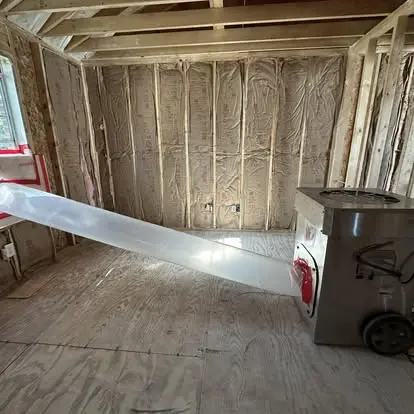
Authorized stabilization, equipment, containment, demolition, cleaning, debris handling, and daily field activity.
Quantities, methods, trade sequencing, code considerations, manufacturer requirements, and discovered conditions.
Contracts, communications, estimates, invoices, progress records, change documentation, and completion evidence.
A smaller number is not necessarily the same scope at a lower price. Meaningful comparison requires matching the actual quantities, materials, methods, controls, trades, and sequence.
Organize your property conditionsControl, extraction, category and class assessment, removal, structural drying, and monitoring.
Explore water authority →02Emergency protection, residue evaluation, odor strategy, cleaning, inventory, and contents coordination.
Explore fire authority →03Temporary protection, repairability, code, flashing, ventilation, materials, and complete exterior systems.
Explore roofing authority →04Trade sequencing, structural repair, building systems, finishes, quality control, and closeout.
Explore reconstruction →Yes. Guardian can explain the property conditions it observed, its measurements, photographs, work methods, equipment, quantities, project records, estimates, invoices, and the technical basis for its restoration work.
No. Coverage decisions belong to the insurer under the policy. Claim representation or legal advice may require an attorney or licensed public adjuster. Guardian stays focused on the property, the restoration requirements, and its own work.
Differences may come from measurements, material classifications, contamination, access, demolition method, equipment, labor assumptions, code requirements, manufacturer instructions, trade sequencing, or operations that were omitted entirely.
Yes. Guardian can connect emergency response with structural drying, environmental controls, contents, roofing and exteriors, and complete reconstruction. Each phase remains clearly scoped and authorized.
Not automatically. Preserve safe photographs, video, samples, inventories, and disposal records when appropriate. Materials that create a health or safety concern may require controlled removal after authorization and documentation.
Prioritize safety, contact the appropriate emergency authority when needed, and call Guardian at 866-655-4744. Active water, an exposed structure, electrical hazards, sewage, fire residue, or unstable materials should not wait for routine scheduling.
Guardian provides restoration and construction services. This page is general property-restoration information, not legal advice, policy interpretation, or public-adjusting services. For questions about coverage, rights, deadlines, or claim representation, consult the appropriate insurer, attorney, or licensed public adjuster.
Guardian gives property owners managing an insurance-related recovery a secure view of project milestones, confirmed records, items needing attention, and direct communication with the recovery team.
Choose the question that matters most to you. We will show you what to expect without asking you to know the technical language.
Inspect real conditions, decisions, and completed recovery stories.
View documented projects →Walk through the response from first contact to completion.
Follow the recovery journey →Understand the standards behind every scope and handoff.
Read the Guardian Standard →If damage is active, call Guardian now. If you are still figuring things out, tell us what you see and we will help you understand your options.