Document
Rooms, conditions, items, priorities
 Customer PortalTell Us What Happened24/7 CALL · 866-655-4744
Guardian connects emergency protection, suppression-water mitigation, soot and smoke cleaning, odor removal, contents, textiles, roofing, and complete reconstruction through one accountable command.
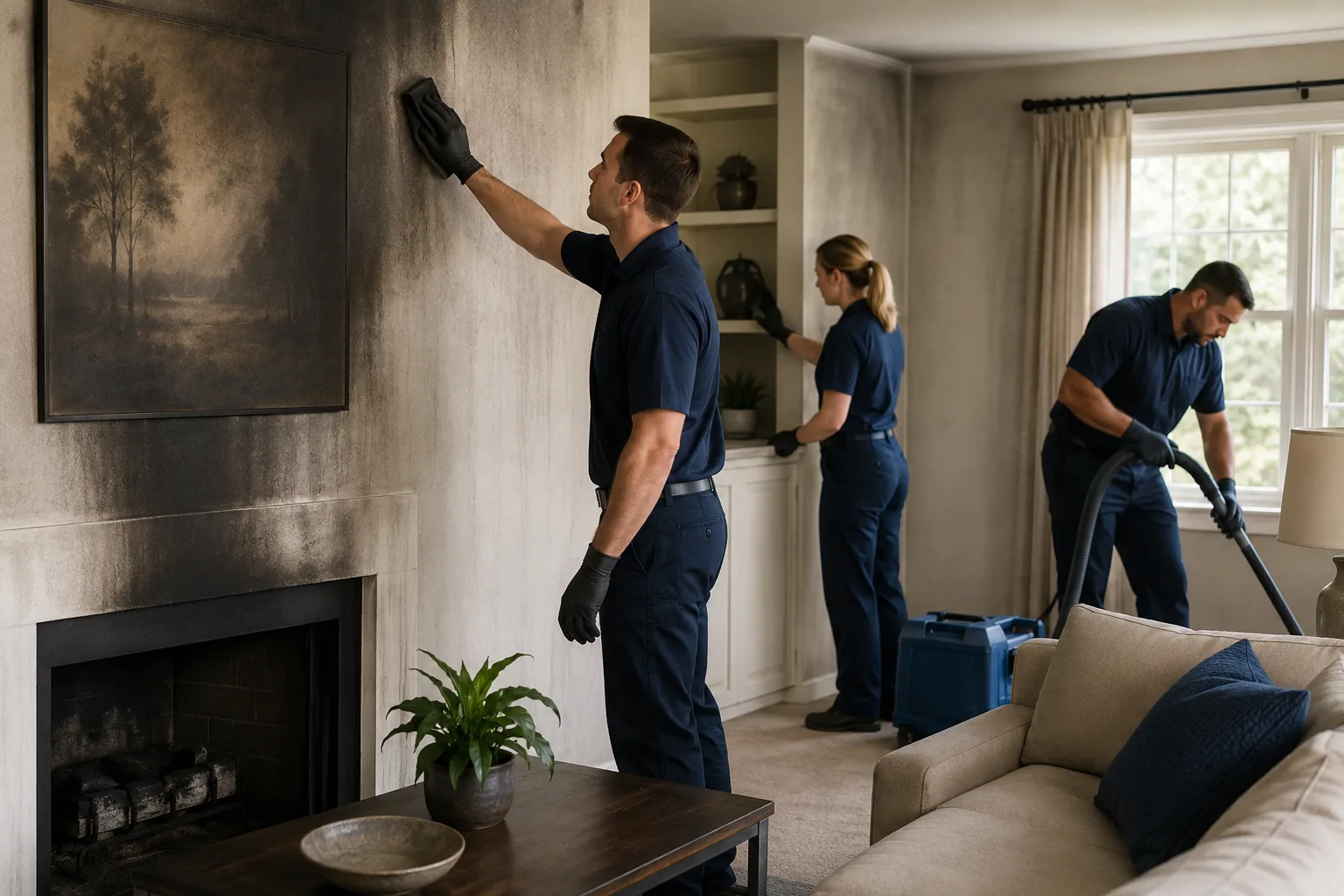
Heat changes materials. Smoke follows pressure and air movement. Soot settles on surfaces far from the source. Suppression water travels through cavities and floors. Odor remains inside porous materials and contents. Openings expose the property to weather and security risks.
Guardian treats those conditions as one connected recovery problem, preserving the evidence and decisions each next phase needs.
Secure openings, control suppression water, and protect unaffected areas.
Enter the discipline →02Organize the complete fire, water, residue, contents, and repair footprint.
Enter the discipline →03Match cleaning methods to the residue, surface, heat, and exposure.
Enter the discipline →04Remove retained sources and treat the pathways odor actually followed.
Enter the discipline →05Document, pack, clean, store, track, and return affected property.
Enter the discipline →06Evaluate clothing and soft goods through specialized restoration decisions.
Enter the discipline →07Address firefighting water within walls, floors, ceilings, and contents.
Enter the discipline →08Carry the documented loss into one accountable rebuilding sequence.
Enter the discipline →Pressure, heat, HVAC pathways, open doors, chases, wall cavities, and porous contents can expand the smoke footprint beyond visible burn damage.
Understand smoke movement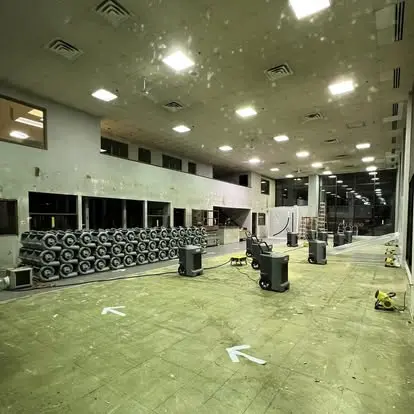
Water used to suppress a fire can affect floors, ceilings, insulation, framing, cabinets, contents, and lower levels. Extraction alone does not establish that the building is dry.
Explore structural drying →Guardian’s contents process connects room-by-room documentation, immediate-priority items, packing, chain of custody, specialized cleaning, storage, status reporting, and coordinated return.
Rooms, conditions, items, priorities
Inventory, packing, labels, custody
Cleaning, deodorization, textiles
Status, sequencing, placement
Guardian founder Jake Blanton joins Restoration Advisers’ Disaster Podcaster for a field-level discussion of professional fire-loss stabilization: environmental testing, PPE, temporary power, safety controls, timelines, and the decisions that must happen before restoration moves forward.
Featured appearance · Disaster Podcaster · Restoration AdvisersExplore more Restoration Advisers appearances →
A direct conversation about the last fire job, the controls professionals use, and why rushing stabilization undermines the recovery.
Watch on YouTube →Follow the connected service path—or tell Guardian what is happening and let the response team route the next step.
Choose the question that matters most to you. We will show you what to expect without asking you to know the technical language.
Inspect real conditions, decisions, and completed recovery stories.
View documented projects →Walk through the response from first contact to completion.
Follow the recovery journey →Understand the standards behind every scope and handoff.
Read the Guardian Standard →If damage is active, call Guardian now. If you are still figuring things out, tell us what you see and we will help you understand your options.