 Make a PaymentCustomer PortalPartner PortalRequest a callback24/7 CALL · 866-655-4744Make a Payment
Practical guides for property damage and repair
Understand common damage, compare repair options, and prepare for a restoration conversation. These guides cover water, fire, smoke, mold, roofing, and commercial property recovery.
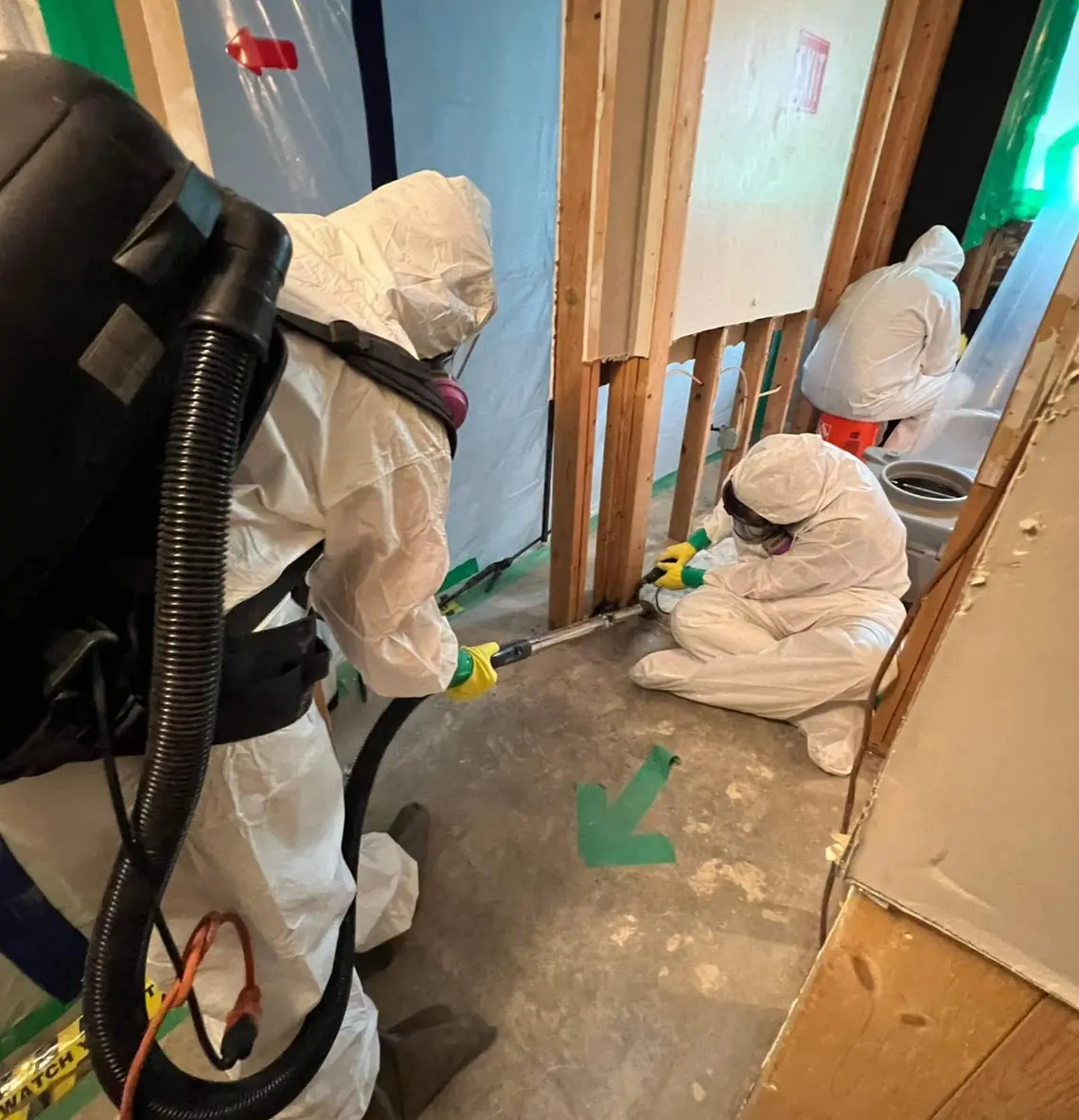
Start with the question you have.
Property damage is a chain of conditions. Water moves. Smoke travels. Contamination changes material decisions. Roof failures reach interiors. Commercial losses interrupt people and operations.
The Guardian Knowledge Center explains those connections in plain language while keeping technical judgment, field documentation, and complete recovery in view.
Browse property restoration guides.
Each guide links the question a property owner is asking to the related condition, local response capability, and next decision.
Water, sewage & structural drying
Migration, contamination, material decisions, drying science, safety, and documentation.
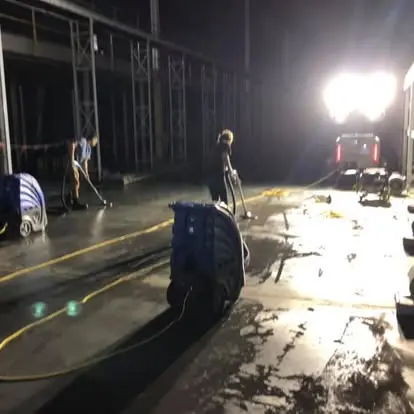
Burst Pipe: What to Do in the First 30 Minutes
The safest first steps after a burst or frozen pipe, including water control, electrical caution, documentation, migration checks, and when professional drying matters.
Read guide →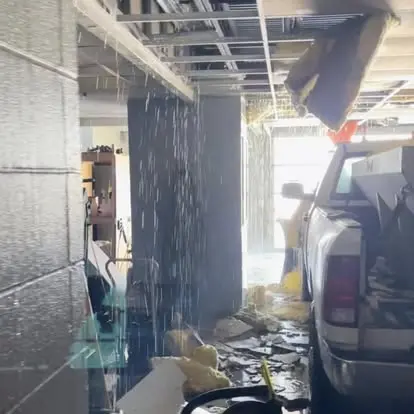
How Water Damage Travels Beyond What You Can See
Why a small visible leak can affect flooring, wall cavities, insulation, cabinets, contents, and rooms away from the source.
Read guide →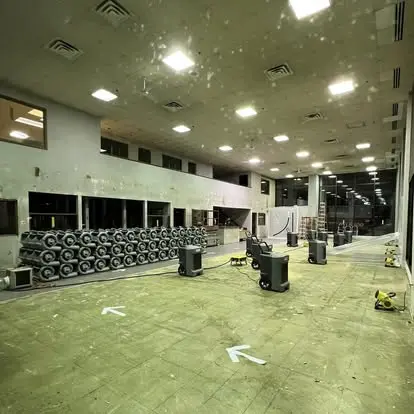
Structural Drying Explained: What Happens After the Standing Water Is Gone
Why extraction is only the beginning, how moisture mapping guides equipment, what materials change the plan, and how drying progress should be documented.
Read guide →Flooded Basement: Where Water Hides After the Floor Looks Clear
How basement water can remain behind finished walls, beneath flooring, inside insulation, around contents, and within structural assemblies after surface extraction.
Read guide →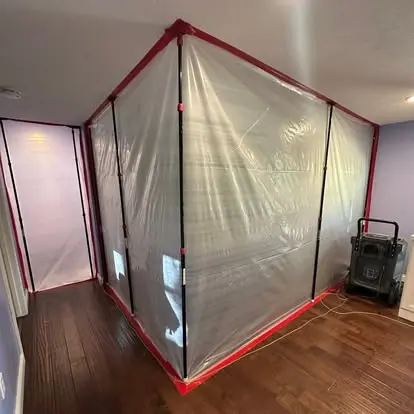
Category 3 Water: Why Contamination Changes the Recovery Plan
What sewage, floodwater, and other grossly contaminated water conditions can change about safety, containment, material handling, cleaning, and documentation.
Read guide →Sewage Backup Cleanup: What Not to Touch, Move, or Turn On
Plain-language safety guidance for sewage backups, contaminated materials, airflow, cross-contamination, documentation, and professional cleanup decisions.
Read guide →Fire, smoke, soot & odor
How smoke travels, why odor returns, what residues change, and how contents connect to recovery.
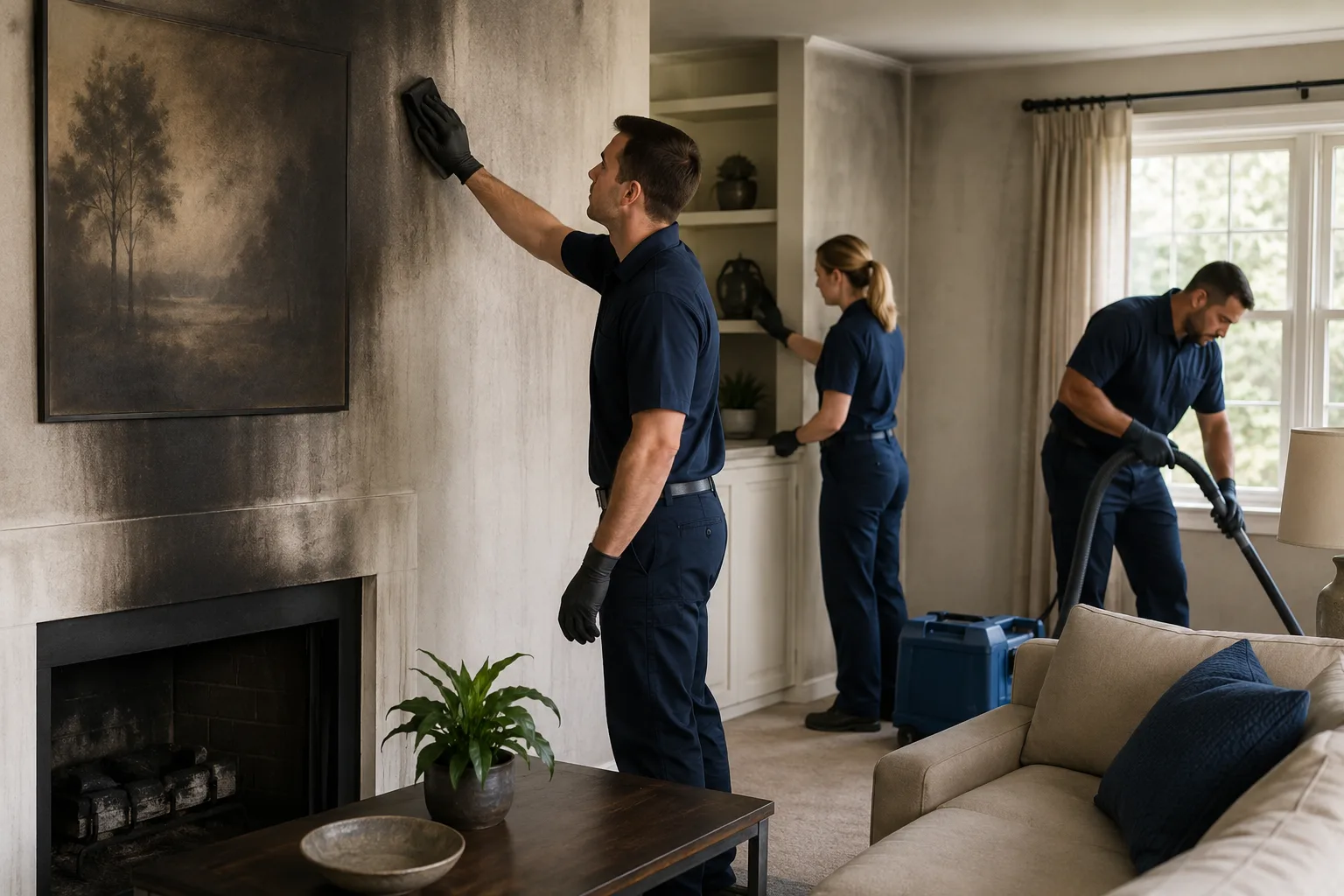
Why Smoke Damage Reaches Rooms the Fire Never Touched
How heat, pressure, airflow, HVAC pathways, residue type, and porous materials expand the true footprint of a fire loss.
Read guide →Why Smoke Odor Keeps Coming Back After a Fire
Why heat and humidity can reactivate smoke odor, where residue remains, and why deodorizing must follow source removal and surface-specific cleaning.
Read guide →Mold & environmental control
Source correction, containment, material handling, cleaning, and verification before reconstruction.
Roofing, storms & the building envelope
Leaks, hail, repairability, system details, commercial maintenance, and connected interior damage.
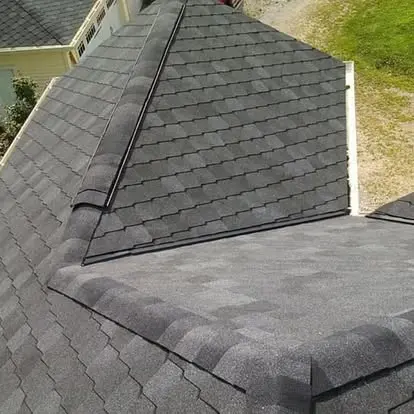
A Roof Is a System, Not a Layer of Shingles
How decking, underlayment, flashing, ventilation, penetrations, edges, drainage, siding, and interior conditions work together.
Read guide →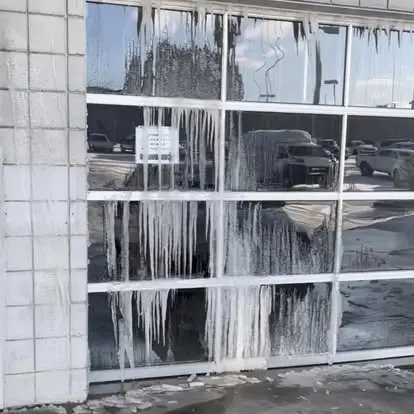
Roof Leak After a Storm: Emergency Steps Without Making It Worse
What property owners can safely document after wind, hail, or fallen debris, why roof access is dangerous, and how interior water connects to the exterior repair.
Read guide →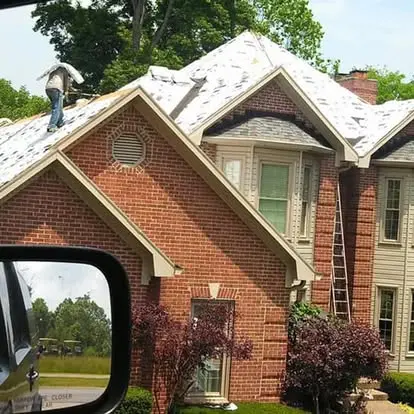
Roof Repair or Roof Replacement: How the Decision Is Actually Made
A practical framework for evaluating roof age, material condition, repairability, repeated leakage, storm damage, compatible products, and underlying system deficiencies.
Read guide →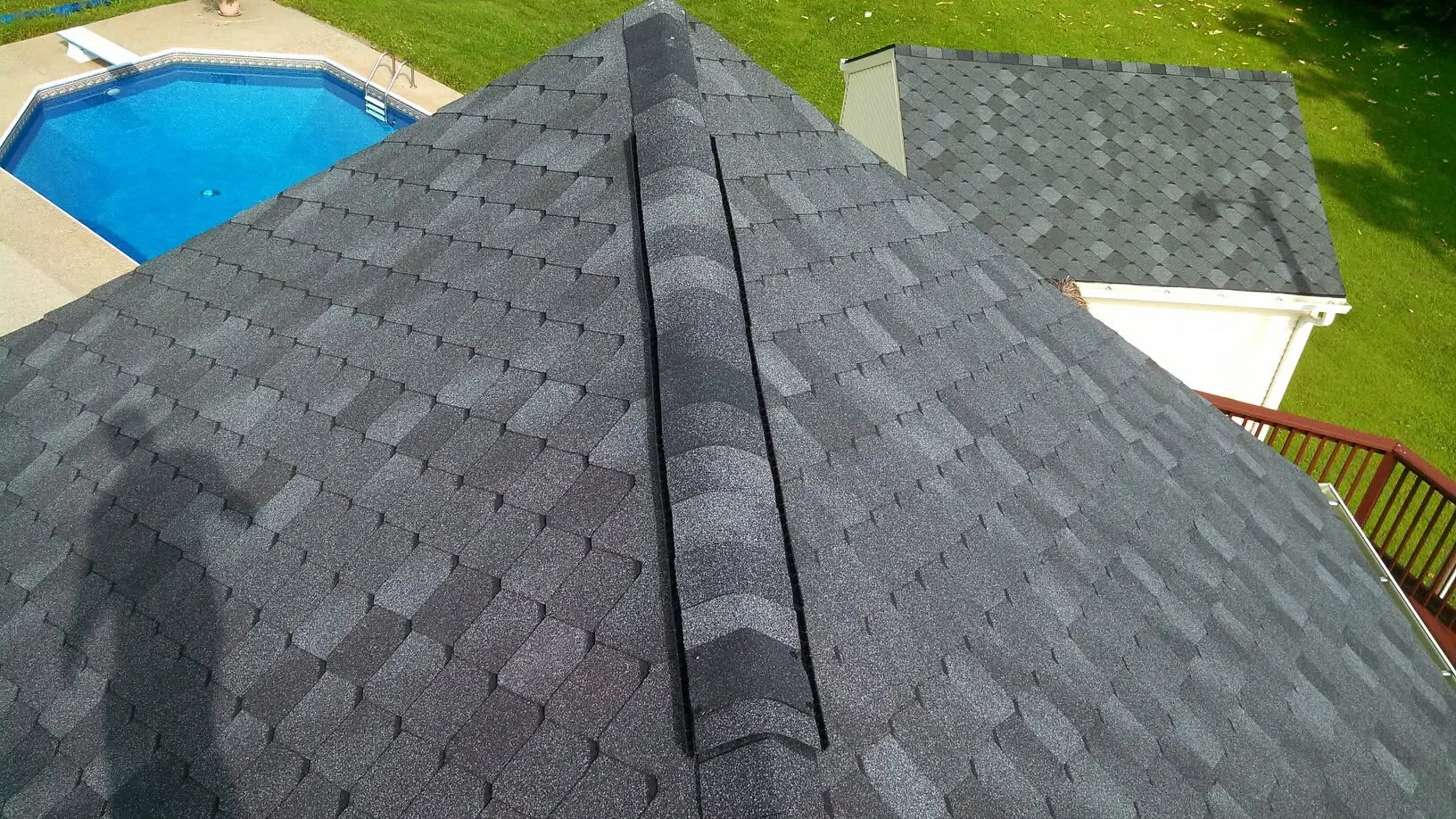
Hail Damage to a Roof: What Property Owners Should Look For
How hail can affect shingles, vents, flashings, gutters, siding, and connected interiors—and why normal aging, cosmetic marks, and functional damage require careful distinction.
Read guide →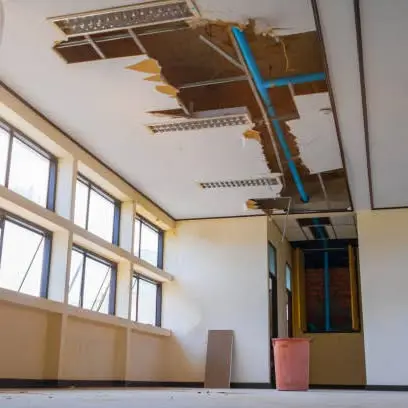
What a Commercial Roof Maintenance Plan Should Actually Include
A field-based approach to inspections, drainage, penetrations, flashings, repairs, records, severe-weather checks, leak response, and capital planning for commercial roofs.
Read guide →Commercial property recovery
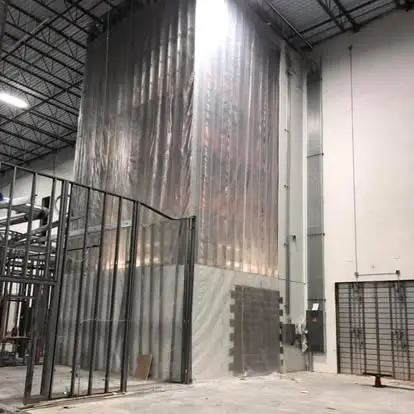
People, operations, access, incident leadership, documentation, and the first hour of recovery.
Every property needs its own assessment.
Good restoration begins by understanding the actual condition, protecting people and unaffected areas, documenting what matters, and choosing a sequence the next phase can trust.
Explore restoration servicesHelpful information before you call.
See our work, understand the process, and get answers to common questions.
See the work before you choose
Inspect real conditions, decisions, and completed recovery stories.
View documented projects →Know what happens after the call
Walk through the response from first contact to completion.
Follow the recovery journey →See what Guardian is built to protect
Understand the standards behind every scope and handoff.
Read the Guardian Standard →What happened at your property?
If damage is active, call Guardian now. If you are still figuring things out, tell us what you see and we will help you understand your options.