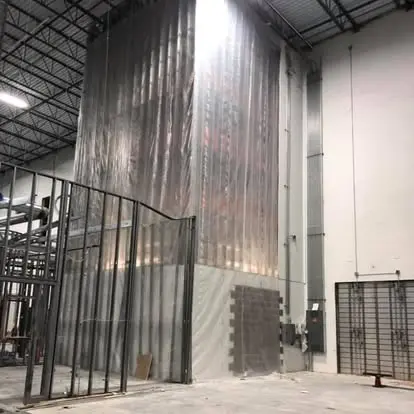
The questions owners and facility leaders should answer first to protect people, critical operations, unaffected areas, evidence, and the recovery timeline.
9 minute read · Guardian Restoration field guidance
01
Establish one incident contact
Identify who can authorize access, safety actions, emergency work, operational changes, and stakeholder communication. Conflicting direction slows stabilization.
02
Define what cannot stop
Critical services, occupied zones, protected records, inventory, revenue functions, resident needs, and regulatory responsibilities should shape the response plan.
03
Protect unaffected operations
Control water migration, smoke pathways, dust, traffic, debris, security, utilities, and contractor access before the recovery footprint expands.
04
Create the operating record immediately
Record conditions, contacts, decisions, access restrictions, equipment, labor, affected areas, temporary controls, and what each stakeholder needs next.
Questions property owners ask
Make the next decision with context.
Who should be involved first?
Facility or property leadership, emergency authorities when applicable, the qualified recovery team, and anyone controlling utilities, access, safety, or critical operations.
Can mitigation happen while a business remains open?
Sometimes. The plan must account for safety, contamination, noise, access, occupants, utilities, and separation between work and operating areas.
What is the Guardian Shield Program?
It is Guardian’s preparedness and priority-response framework for organizing property information, contacts, priorities, and recovery records before an incident.
Related Guardian capability
Commercial recovery
See the field conditions, response sequence, credentials, and homeowner questions specific to this discipline.