What a Commercial Roof Maintenance Plan Should Actually Include
A field-based approach to inspections, drainage, penetrations, flashings, repairs, records, severe-weather checks, leak response, and capital planning for commercial roofs.
10 minute read · Guardian Restoration field guidance
01
Create a roof record before the emergency
Maintain system information, installation and repair history, warranty documents, roof plans when available, rooftop equipment changes, leak locations, photographs, and responsible contacts.
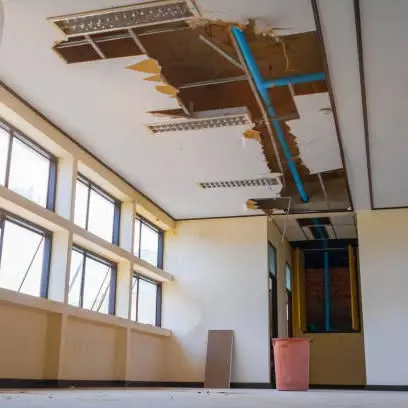
A minor exterior defect can threaten electrical rooms, records, inventory, resident spaces, healthcare operations, retail traffic, or production. Maintenance priorities should reflect consequence as well as defect size.
04
Preserve the closeout trail
Every visit should explain what was observed, what changed, what work was completed, what remains, and when the next action is due. Good records improve repair decisions and capital forecasting.
Questions property owners ask
Make the next decision with context.
How often should a commercial roof be inspected?
Frequency depends on system type, age, condition, exposure, warranty requirements, rooftop activity, and severe-weather events. Many facilities benefit from planned periodic and post-storm reviews.
Should maintenance include clearing drains?
Drainage pathways and debris conditions are important, but access and maintenance must be performed safely and without damaging the roof system.
Can Guardian address the interior if a leak occurs?
Yes. Guardian connects commercial roofing with extraction, structural drying, containment, contents, finish repairs, and operational recovery.
Related Guardian capability
Commercial roofing
See the field conditions, response sequence, credentials, and homeowner questions specific to this discipline.