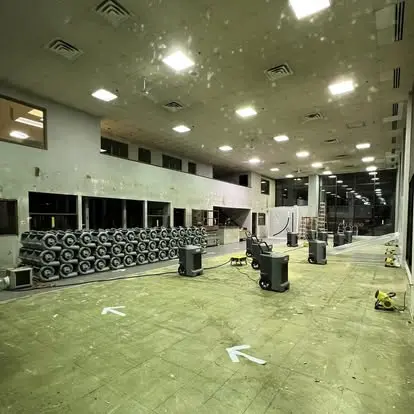
Structural Drying Explained: What Happens After the Standing Water Is Gone
Why extraction is only the beginning, how moisture mapping guides equipment, what materials change the plan, and how drying progress should be documented.
9 minute read · Guardian Restoration field guidance
01
Extraction removes liquid water—not all moisture
Recoverable standing water should be removed quickly, but moisture remains within drywall, wood, insulation, flooring systems, concrete, cabinets, contents, and concealed cavities.
02
The drying plan follows the assembly
Material porosity, finish layers, access, contamination, temperature, humidity, air pathways, and the depth of saturation determine whether materials can dry in place or require controlled removal.
Air movers increase evaporation at surfaces. Dehumidification removes moisture from the air. Measurements and environmental data show whether the strategy is moving the assembly toward the documented goal.
04
Completion must survive the handoff
The final record should connect affected locations, readings, equipment, adjustments, removals, remaining conditions, and repair needs so reconstruction does not begin over unresolved moisture.
Questions property owners ask
Make the next decision with context.
How long does structural drying take?
There is no universal duration. Source, materials, saturation, access, contamination, weather, and the response of the assembly determine the timeline.
Can walls be dry on the outside but wet inside?
Yes. Paint, insulation, multiple layers, cabinets, and cavities can conceal moisture that surface appearance does not reveal.
Why are daily or periodic readings important?
They demonstrate progress, reveal stalled areas, support equipment adjustments, and document when drying objectives are reached.
Related Guardian capability
Structural drying
See the field conditions, response sequence, credentials, and homeowner questions specific to this discipline.