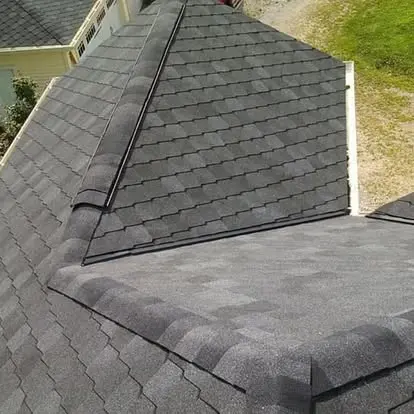
How decking, underlayment, flashing, ventilation, penetrations, edges, drainage, siding, and interior conditions work together.
8 minute read · Guardian Restoration field guidance
01
Water entry may begin somewhere else
The interior stain is not always directly below the exterior failure. Water can travel along decking, framing, fasteners, insulation, and transitions before becoming visible.
02
Flashings and penetrations matter
Walls, chimneys, valleys, pipe penetrations, roof edges, and changes in plane concentrate risk. A repair that addresses only the visible shingle may miss the failed transition.
03
Repairability is a technical question
Age, brittleness, installation method, product availability, surrounding condition, and the ability to manipulate materials without creating new damage all affect whether a durable repair can be completed.
04
Completion should document the assembly
A useful closeout record shows the installed system components, corrected transitions, visible finished details, cleanup, and any maintenance or warranty information.
Questions property owners ask
Make the next decision with context.
Can one damaged shingle always be replaced?
No. The surrounding material must tolerate manipulation and the repair must restore a reliable, compatible system.
Why inspect the attic or interior?
Interior and attic conditions can help trace water pathways, ventilation issues, decking conditions, and the extent of connected damage.
Does Guardian handle interior damage from a roof leak?
Yes. Guardian can connect emergency protection and exterior work with water mitigation and interior reconstruction.
Related Guardian capability
Roofing and exteriors
See the field conditions, response sequence, credentials, and homeowner questions specific to this discipline.