Sewage Backup Cleanup: What Not to Touch, Move, or Turn On
Plain-language safety guidance for sewage backups, contaminated materials, airflow, cross-contamination, documentation, and professional cleanup decisions.
7 minute read · Guardian Restoration field guidance
01
Keep people and pets out
Sewage can carry harmful microorganisms and contaminants. Restrict access, avoid direct contact, and do not allow contaminated footwear or belongings to carry material into clean areas.
02
Do not create uncontrolled airflow
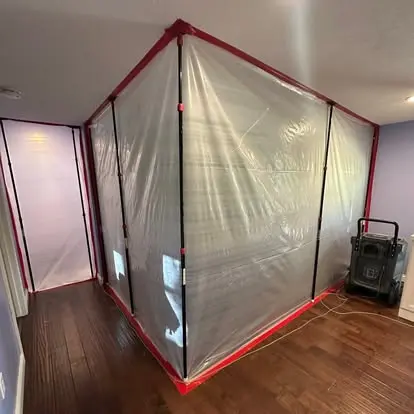
Household fans and HVAC operation can move contaminated aerosols or particles beyond the affected space. Qualified direction should determine air control and containment.
03
Preserve the condition without handling it
Photograph the source and affected rooms from a safe location. Do not sort porous contents, pull carpet, or move wet materials through unaffected areas without a controlled plan.
04
Cleanup is more than removing water
The work may require protective equipment, containment, controlled removal, debris handling, detailed cleaning, and verification before reconstruction begins.
Questions property owners ask
Make the next decision with context.
Can carpet be saved after a sewage backup?
Porous materials exposed to gross contamination often require removal. The final decision depends on the source, exposure, material, duration, and project conditions.
Can bleach solve a sewage backup?
No single household product replaces removal, cleaning, contamination control, and drying of the complete affected assembly.
Should I file an insurance claim before cleanup starts?
Protect health and property first. Document conditions and notify the appropriate parties promptly, but do not allow avoidable delay to expand the damage.
Related Guardian capability
Sewage cleanup
See the field conditions, response sequence, credentials, and homeowner questions specific to this discipline.