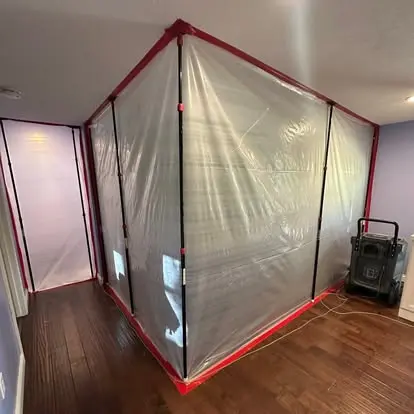
Category 3 Water: Why Contamination Changes the Recovery Plan
What sewage, floodwater, and other grossly contaminated water conditions can change about safety, containment, material handling, cleaning, and documentation.
8 minute read · Guardian Restoration field guidance
01
Category describes contamination—not appearance
Water may look clear while carrying contamination, and dark water does not define the category by color alone. Source, exposure, time, and affected materials matter.
02
Porous materials require different decisions
Carpet cushion, insulation, gypsum, and other porous materials can retain contaminants in ways that make normal drying insufficient. Removal decisions should reflect the material and project conditions.
03
Control the pathway
Work should address access, protective equipment, containment, controlled removal, debris handling, cleaning, and the prevention of cross-contamination into unaffected areas.
04
Documentation should explain why
A defensible project record connects the source and category assessment to affected materials, controls, work performed, and completion conditions. The reason for each action should survive the handoff.
Questions property owners ask
Make the next decision with context.
Is sewage backup considered Category 3 water?
Sewage and similar grossly contaminated sources are generally treated as Category 3 conditions requiring appropriate safety and contamination controls.
Can household fans be used?
Uncontrolled airflow may spread contamination. Do not use household fans in a contaminated area without qualified direction.
Can Guardian rebuild after cleanup?
Yes. Guardian can coordinate contamination-controlled mitigation with the repair and reconstruction sequence.
Related Guardian capability
Sewage cleanup
See the field conditions, response sequence, credentials, and homeowner questions specific to this discipline.