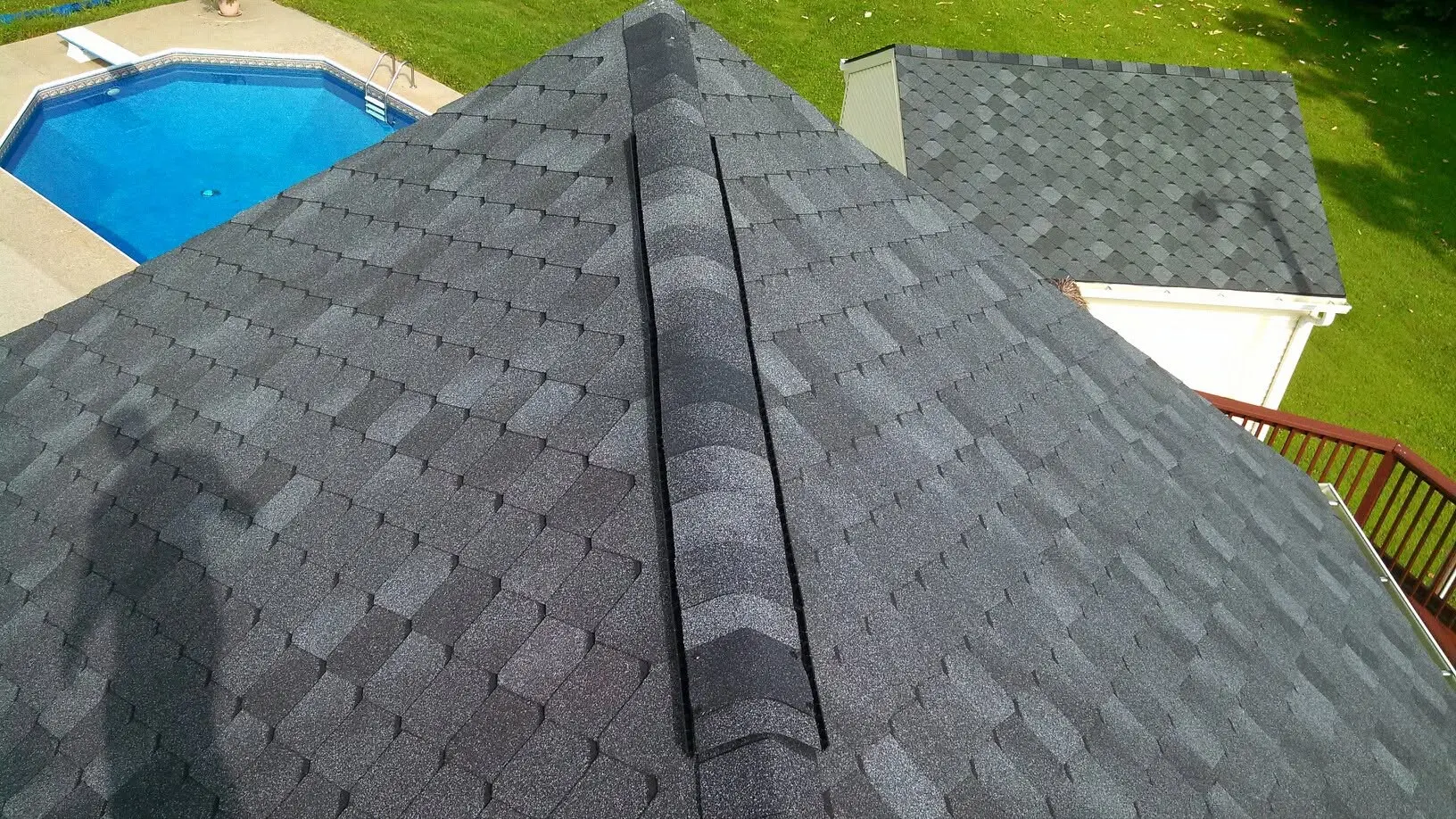
Hail Damage to a Roof: What Property Owners Should Look For
How hail can affect shingles, vents, flashings, gutters, siding, and connected interiors—and why normal aging, cosmetic marks, and functional damage require careful distinction.
8 minute read · Guardian Restoration field guidance
01
Start safely from the ground
Do not climb onto a wet or storm-affected roof. From the ground, record displaced materials, debris, damaged gutters or siding, and the date and direction of the storm.
02
Soft metals can preserve storm evidence
Dents or impacts on vents, flashings, gutters, downspouts, and other metal components can help establish the storm footprint, although each condition still requires evaluation.
03
Shingle assessment requires context
Granule loss, exposed asphalt, fractures, bruising, manufacturing features, foot traffic, aging, and prior damage can look similar in photographs. Functional conclusions should be based on the material and complete field condition.
04
Inspect the inside too
Hail does not always cause immediate leakage, but wind, displaced components, or existing vulnerable details may allow water entry. Attic and interior observations can reveal connected conditions.
Questions property owners ask
Make the next decision with context.
Does every dent mean the roof is damaged?
No. Component type, impact characteristics, function, pre-existing condition, and the roofing material all matter.
Can hail damage exist without a ceiling leak?
Yes. Some functional roof damage does not create immediate interior leakage, while some leaks arise from wind or flashing conditions rather than hail.
Should I wait for another rain before requesting an inspection?
No. If severe hail affected the property or exterior changes are visible, timely documentation can preserve conditions before weather and repairs alter them.
Related Guardian capability
Storm damage roofing
See the field conditions, response sequence, credentials, and homeowner questions specific to this discipline.