 Make a PaymentCustomer PortalPartner PortalRequest a callback24/7 CALL · 866-655-4744Make a Payment
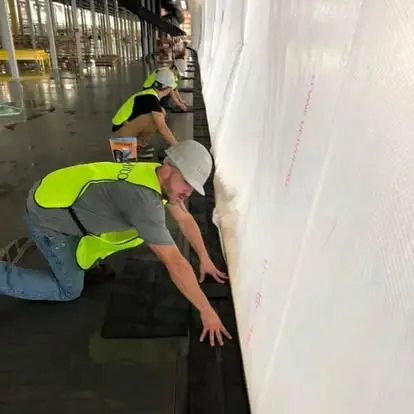
Controlled Environmental Remediation
Containment, negative-air controls, selective removal, and team execution shown as one protected remediation sequence.
Guardian field photography · Customer identity protectedWhat to look for in this project.
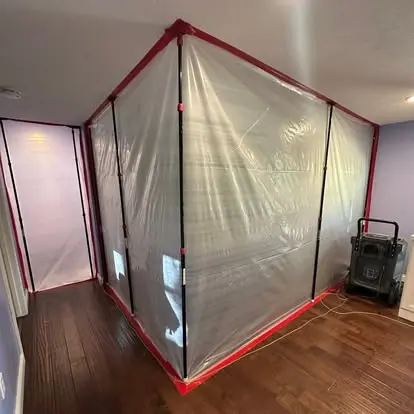
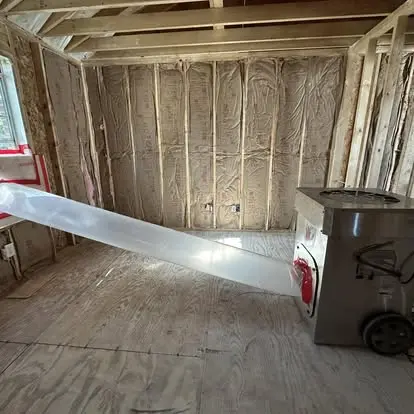
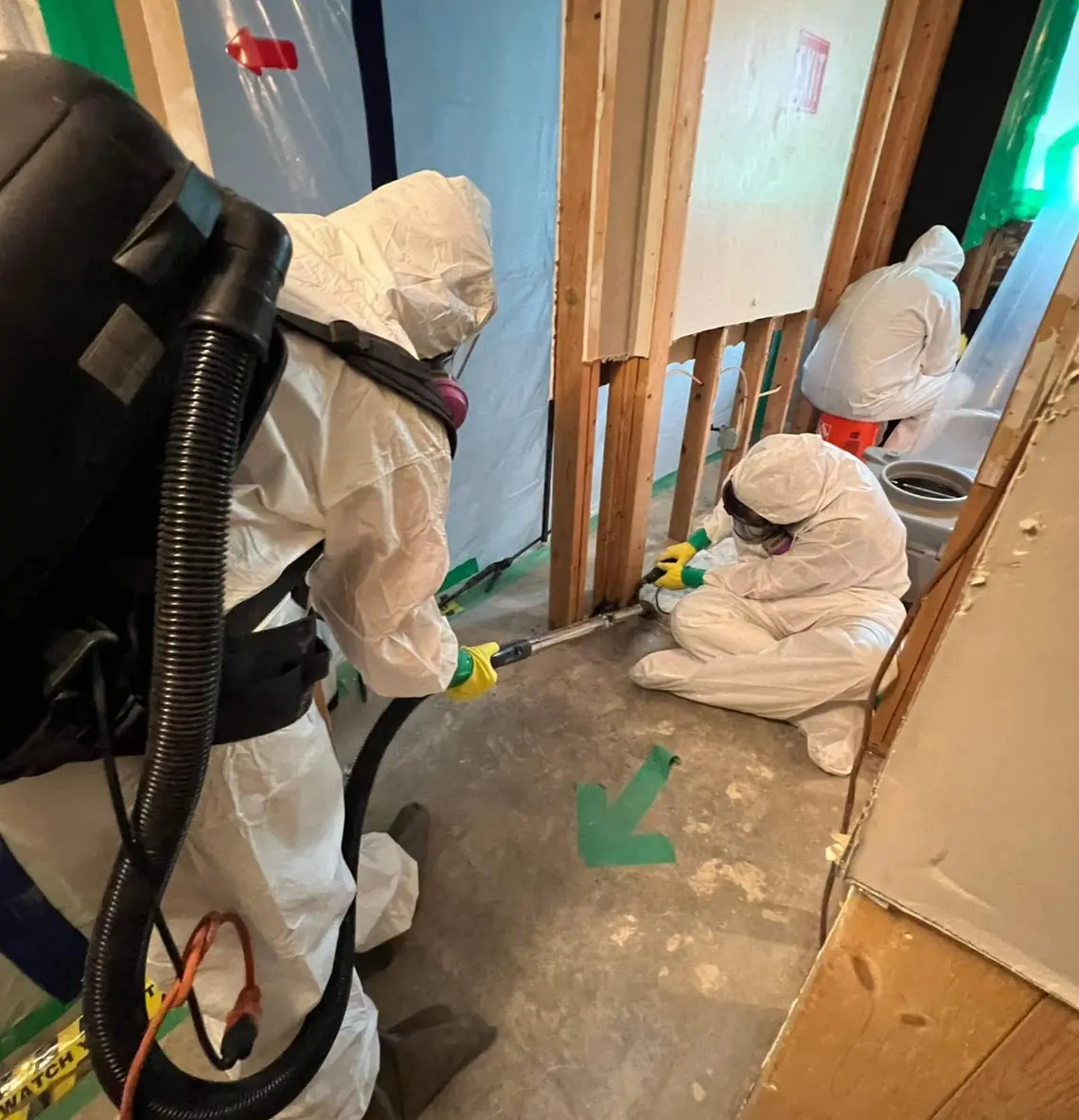
Look at the containment, air-management, selective-removal, and field-team views together.
View the 4 field photographs ↓This gallery illustrates work controls and removal activities. It does not substitute for a project-specific assessment, laboratory results, or an applicable clearance determination.
Customer identities, addresses, and private claim information stay protected. The regional service links below describe where Guardian works, rather than the address of this project.
What the property demanded.
Environmental work must protect the people, materials, and spaces outside the affected area while creating a controlled path for removal, cleaning, waste movement, and verification.
How the recovery was organized.
Guardian built the work around separation and control first. Containment boundaries, air management, work practices, and removal decisions were connected before the affected assembly was opened.
The work in one connected chain.
Public case studies protect customer identity and private claim information while showing the decisions and continuity behind Guardian’s work.
- 1Define the affected area and correct the moisture pathway
- 2Plan work zones, access, and waste movement
- 3Install containment and controlled air management
- 4Perform selective removal and detailed cleaning
- 5Prepare the completed work area for applicable verification and repairs
Containment, controlled air, selective removal, and cleaning organized around protection first.
- Defined work zones
- Negative-air control
- Selective source removal
- Detailed cleaning and verification readiness
Related services.
Planning a similar project?
1Why is containment installed before removal?+
Containment helps protect areas outside the work zone and creates a controlled path for access, air management, removal, cleaning, and waste movement.
2Does every affected material have to be removed?+
No universal answer applies. Material type, condition, contamination, accessibility, moisture source, cleanability, and the remediation plan guide the decision.
3What happens after remediation cleaning?+
The work area is prepared for applicable verification, clearance decisions when required, and the connected reconstruction plan.
Talk with Guardian about your property.
Guardian responds across its regional service network. Explore local capabilities or share the conditions at your property.
Put Guardian’s depth against your damage.
Send photographs and the known property conditions. Guardian can organize the information before the first conversation and route the request to the right response path.
The proof is in the decisions between them.
Guardian’s project record is built to show not only what changed, but how the property moved from uncertainty to control.
Explore all Guardian case studiesHelpful information before you call.
See our work, understand the process, and get answers to common questions.
See the work before you choose
Inspect real conditions, decisions, and completed recovery stories.
View documented projects →Know what happens after the call
Walk through the response from first contact to completion.
Follow the recovery journey →See what Guardian is built to protect
Understand the standards behind every scope and handoff.
Read the Guardian Standard →What happened at your property?
If damage is active, call Guardian now. If you are still figuring things out, tell us what you see and we will help you understand your options.