 Make a PaymentCustomer PortalPartner PortalRequest a callback24/7 CALL · 866-655-4744Make a Payment
Commercial Water-Loss Stabilization
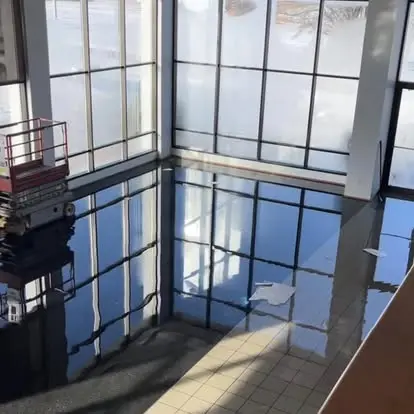
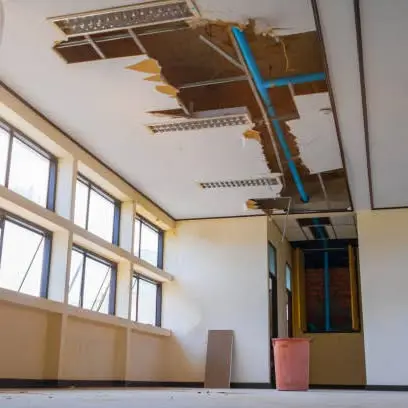
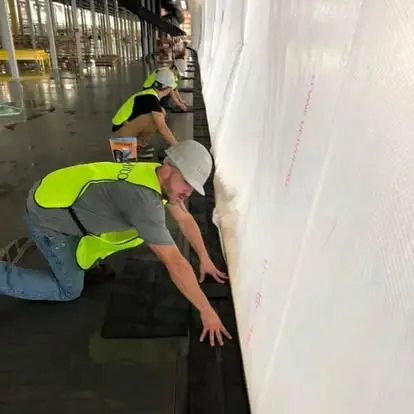
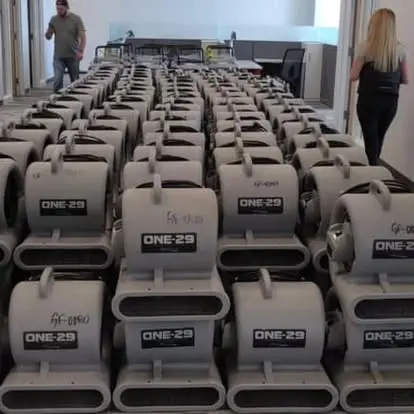
Standing water, overhead damage, containment, and drying capacity organized as one commercial stabilization operation.
Guardian field photography · Customer identity protectedWhat to look for in this project.
Review the standing-water and ceiling-condition views alongside containment and equipment mobilization.
View the 4 field photographs ↓This gallery illustrates stabilization work. Equipment photographs alone do not establish drying completion; the project record supplies the measurements and completion criteria.
Customer identities, addresses, and private claim information stay protected. The regional service links below describe where Guardian works, rather than the address of this project.
What the property demanded.
A large commercial water loss can affect floors, ceilings, contents, occupied zones, electrical or mechanical pathways, and business operations simultaneously.
How the recovery was organized.
Guardian established control through water removal, documented affected areas, engineered separation, staged drying capacity, and a recovery plan built around the facility.
The work in one connected chain.
Public case studies protect customer identity and private claim information while showing the decisions and continuity behind Guardian’s work.
- 1Establish safety, access, and active-source priorities
- 2Document water migration and overhead conditions
- 3Extract water and protect unaffected operations
- 4Install containment and deploy drying capacity
- 5Monitor stabilization and define the repair path
Standing water, overhead damage, containment, and drying capacity brought under one stabilization plan.
- Water migration documentation
- Engineered containment
- Drying-capacity planning
- Operational protection
Related services.
Planning a similar project?
1Can a business stay open during commercial water restoration?+
Sometimes. Safety, utilities, contamination, occupants, air pathways, noise, access, and the ability to separate work zones all affect that decision.
2Why is containment used on a water loss?+
Containment can separate work zones, protect unaffected operations, control air movement, and support the drying or removal strategy.
3Is equipment placement the end of stabilization?+
No. Equipment creates drying conditions; monitoring, adjustments, material decisions, and documented progress determine whether the plan is working.
Talk with Guardian about your property.
Guardian responds across its regional service network. Explore local capabilities or share the conditions at your property.
Put Guardian’s depth against your damage.
Send photographs and the known property conditions. Guardian can organize the information before the first conversation and route the request to the right response path.
The proof is in the decisions between them.
Guardian’s project record is built to show not only what changed, but how the property moved from uncertainty to control.
Explore all Guardian case studiesHelpful information before you call.
See our work, understand the process, and get answers to common questions.
See the work before you choose
Inspect real conditions, decisions, and completed recovery stories.
View documented projects →Know what happens after the call
Walk through the response from first contact to completion.
Follow the recovery journey →See what Guardian is built to protect
Understand the standards behind every scope and handoff.
Read the Guardian Standard →What happened at your property?
If damage is active, call Guardian now. If you are still figuring things out, tell us what you see and we will help you understand your options.