Property manager field guide · Guardian Restoration

From commercial loss
to a clear recovery record.

A practical guide to the questions, records and handoffs that keep a property-damage project understandable. Use it to organize your next conversation, not to diagnose unsafe conditions or replace a site-specific plan.

Published November 16, 2026 · Prepared by Guardian Restoration

Every phase should leave a usable handoff.

Keep originals, dates, locations and revisions together. Mark an observation as observed, a report as reported, and an unresolved question as unresolved. The checklist below is an organizing framework; the records and technical procedures needed depend on the loss, materials, services, contract and applicable requirements.

01

Assessment

What happened, where, and what remains unknown?

Records to discuss

  • Incident time and reported source, distinguished from independently observed facts.
  • Property, floor, room and affected-material identifiers matched to dated photographs.
  • Observed hazards, access restrictions, unaffected areas and business-critical operations.
  • Available prior reports and records, including pre-existing or unrelated conditions.
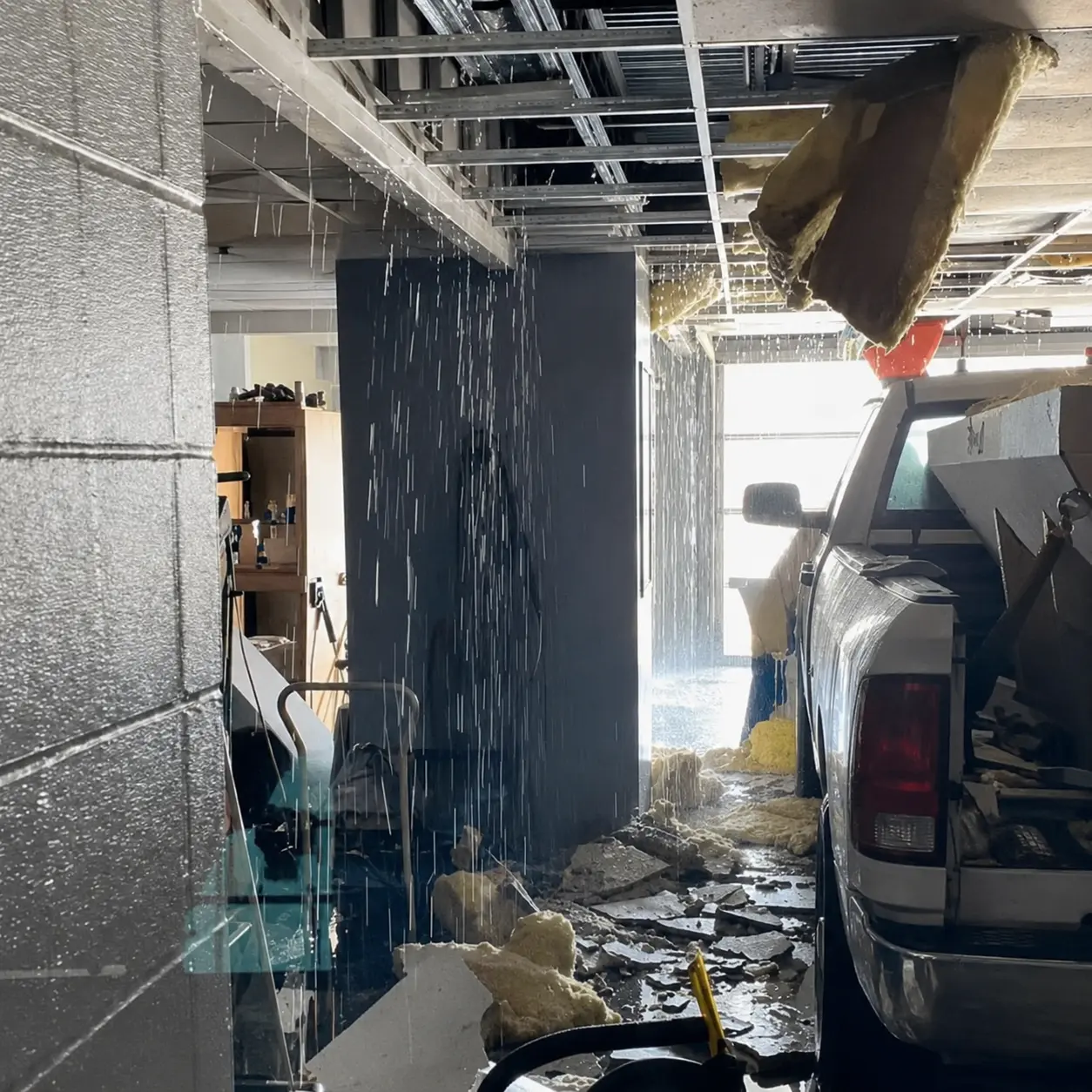
02

Stabilization

What must be controlled before recovery proceeds?

Records to discuss

  • Emergency authorization defining permitted measures, scope and limits.
  • Source-control status and the party responsible for unresolved source repairs.
  • Protection, access and work-zone arrangements suited to the actual conditions.
  • Personnel, equipment and start/stop dates tied to the measures performed.
03

Drying and condition monitoring

What evidence supports the next technical decision?

Records to discuss

  • When relevant to the work: instrument identification, reading method and material or scale.
  • Dated reading locations that can be found again on the room sketch or location map.
  • Relevant atmospheric readings and appropriate comparison or reference conditions.
  • Equipment type, placement, operating dates and documented adjustments.
04

Scope coordination

Which work is needed, authorized, pending or excluded?

Records to discuss

  • Itemized scope with quantities, areas, material assumptions and the version/date.
  • A distinction between original loss work, discovered conditions, upgrades and unrelated repairs.
  • Customer choices, written change authorizations and specialist recommendations.
  • Open questions assigned to a named decision-maker, with the response recorded.
05

Restoration and reconstruction

Can the daily activity be traced to the agreed work?

Records to discuss

  • Field activity, labor, equipment, material and vendor records linked to the job.
  • Progress photographs with location and context, not only a final overview.
  • Trade coordination, required inspection records and documented changes.
  • Occupied-area restrictions, sequencing and remaining operational constraints.
06

Cost and payment reconciliation

Does the account match the work and actual payments?

Records to discuss

  • Controlling estimate and any separately authorized changes.
  • Invoices connected to the performed scope, without counting the same activity twice.
  • Payments actually received, dates, payees, credits and any unresolved allocation.
  • Separate tracking of insurer-issued funds, owner receipts and contractor receipts.
07

Closeout and handoff

What was completed, and what responsibility remains?

Records to discuss

  • Completed scope, final photographs and applicable inspection or verification records.
  • Punch-list items, exclusions, deferred work and unresolved conditions.
  • Customer acceptance documents, applicable warranties and care information.
  • Final account, record index and the contacts responsible for remaining actions.

A useful commercial intake packet.

Share available information through the agreed secure channel. Avoid public uploads of occupant details, access codes, financial records or confidential plans.

Site & contacts

Property address, incident lead, authorization contact and safe-access instructions.

Conditions & source

What was observed, when it began, active hazards, affected zones and source-control status.

Operations & priorities

Occupied areas, essential functions, access windows and critical equipment or records.

Existing evidence

Available photos, sketches, estimates and reports, keeping their authors and dates visible.

Decision boundaries

What work is authorized, what requires approval and which responsibilities belong to other parties.

Response qualification

Location, scale, specialty needs and logistics help determine whether dispatch, planned deployment or another path is appropriate.

Public examples from Guardian’s field record.

These published photo stories illustrate work phases. They do not disclose the full customer file or establish conditions at a different property.

Use the guide within the project’s boundaries.

This is general project-organization guidance, not a complete technical standard, legal advice, a coverage opinion, or a promise that every listed record exists for every project. Testing, engineering, regulated-material work and clearance may require appropriately qualified specialists. Guardian confirms scope, safety, licensing, availability and logistics before accepting out-of-area work.

Helpful information before you call.

See our work, understand the process, and get answers to common questions.

See the work before you choose

Inspect real conditions, decisions, and completed recovery stories.

View documented projects →

Know what happens after the call

Walk through the response from first contact to completion.

Follow the recovery journey →

See what Guardian is built to protect

Understand the standards behind every scope and handoff.

Read the Guardian Standard →

What happened at your property?

If damage is active, call Guardian now. If you are still figuring things out, tell us what you see and we will help you understand your options.

Core response in Kentuckiana; out-of-area projects are evaluated before dispatch.

24/7 emergency help866-655-4744Core response in Kentuckiana; out-of-area projects are evaluated before dispatch.Request a callbackNot sure? Answer a few questions →
Call 24/7Request callback