Water Damage Restoration
in Louisville.
Rapid extraction, moisture mapping, structural drying, controlled demolition, and complete documentation for homes and businesses across Kentucky and Southern Indiana.
 Customer PortalTell Us What Happened24/7 CALL · 866-655-4744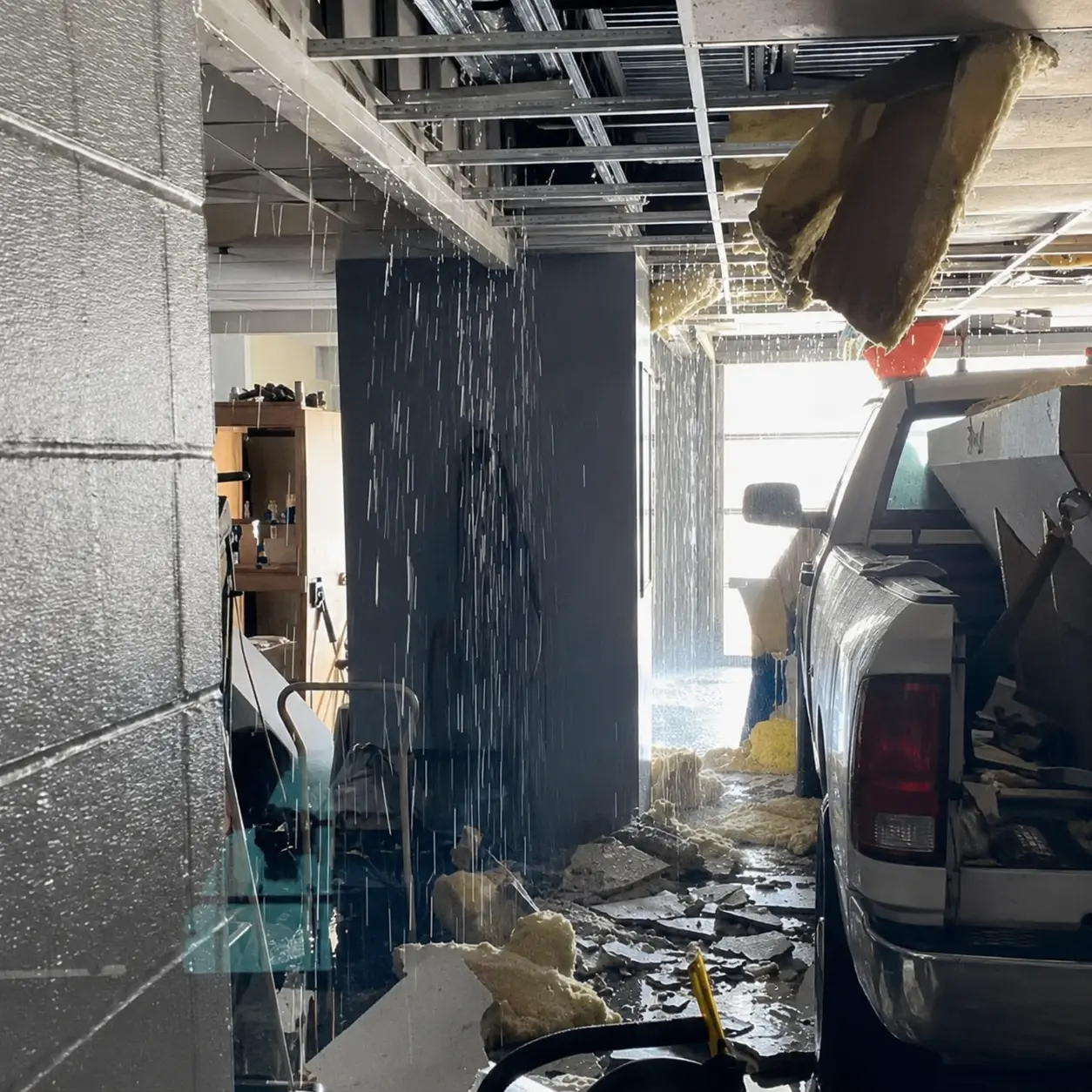
Rapid extraction, moisture mapping, structural drying, controlled demolition, and complete documentation for homes and businesses across Kentucky and Southern Indiana.
Tell us where the property is, whether water is still entering, and which rooms or floors are affected.
Ask about availability for your address and the next assessment step. An online request does not guarantee dispatch. Follow emergency-authority instructions first.
Ask what the initial assessment involves, whether any charges apply, what work needs authorization, and how cleanup and later repairs will be scoped. The affected materials, contamination and access all influence the work required.
As Guardian’s regional anchor, Louisville needs one accountable recovery path that connects emergency control, documentation, contents, environmental conditions, roofing, exterior systems, and reconstruction without losing the complete property picture.
For Louisville properties, Guardian evaluates active leaks, plumbing failures, appliance losses, groundwater, and suppression water while preserving the documentation and work sequence needed for the next phase.
Read Guardian’s guidance on the conditions, materials and documentation that shape this work.
These regional project records show the work behind the service. Each story protects customer identity and identifies its own project context.
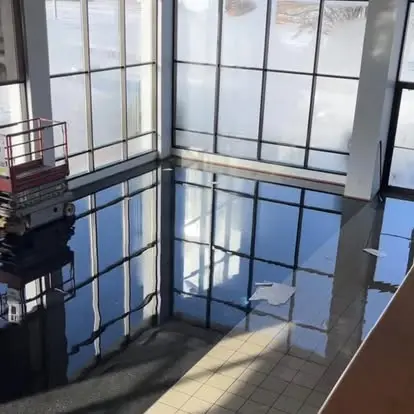
Standing water, overhead damage, containment, and drying capacity organized as one commercial stabilization operation.
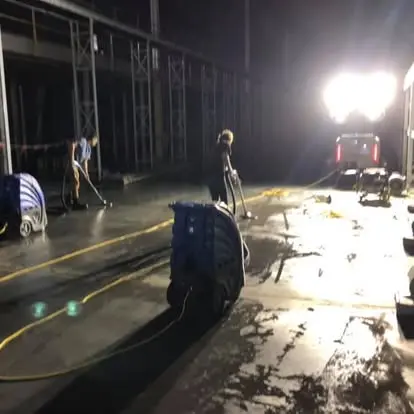
A high-capacity water response documented through extraction, equipment mobilization, controlled drying, and field monitoring.
Immediately. Water can migrate behind finishes and into cavities long before the full extent is visible. Early extraction, moisture mapping, and controlled drying reduce secondary damage.
No. The water category, material porosity, duration, contamination, and access all affect whether a material can be safely restored or requires removal.
Yes. Guardian builds a project record using observations, measurements, photographs, moisture data, equipment information, and progress notes.
Choose the question that matters most to you. We will show you what to expect without asking you to know the technical language.
Inspect real conditions, decisions, and completed recovery stories.
View documented projects →Walk through the response from first contact to completion.
Follow the recovery journey →Understand the standards behind every scope and handoff.
Read the Guardian Standard →If damage is active, call Guardian now. If you are still figuring things out, tell us what you see and we will help you understand your options.