Sewage Backup Cleanup
in Louisville.
Drain or sewer backup in Louisville or Jefferson County? Tell us which rooms are affected and whether the backup is active. Call to confirm assessment and cleanup availability.
 Make a PaymentCustomer PortalPartner PortalRequest a callback24/7 CALL · 866-655-4744Make a Payment
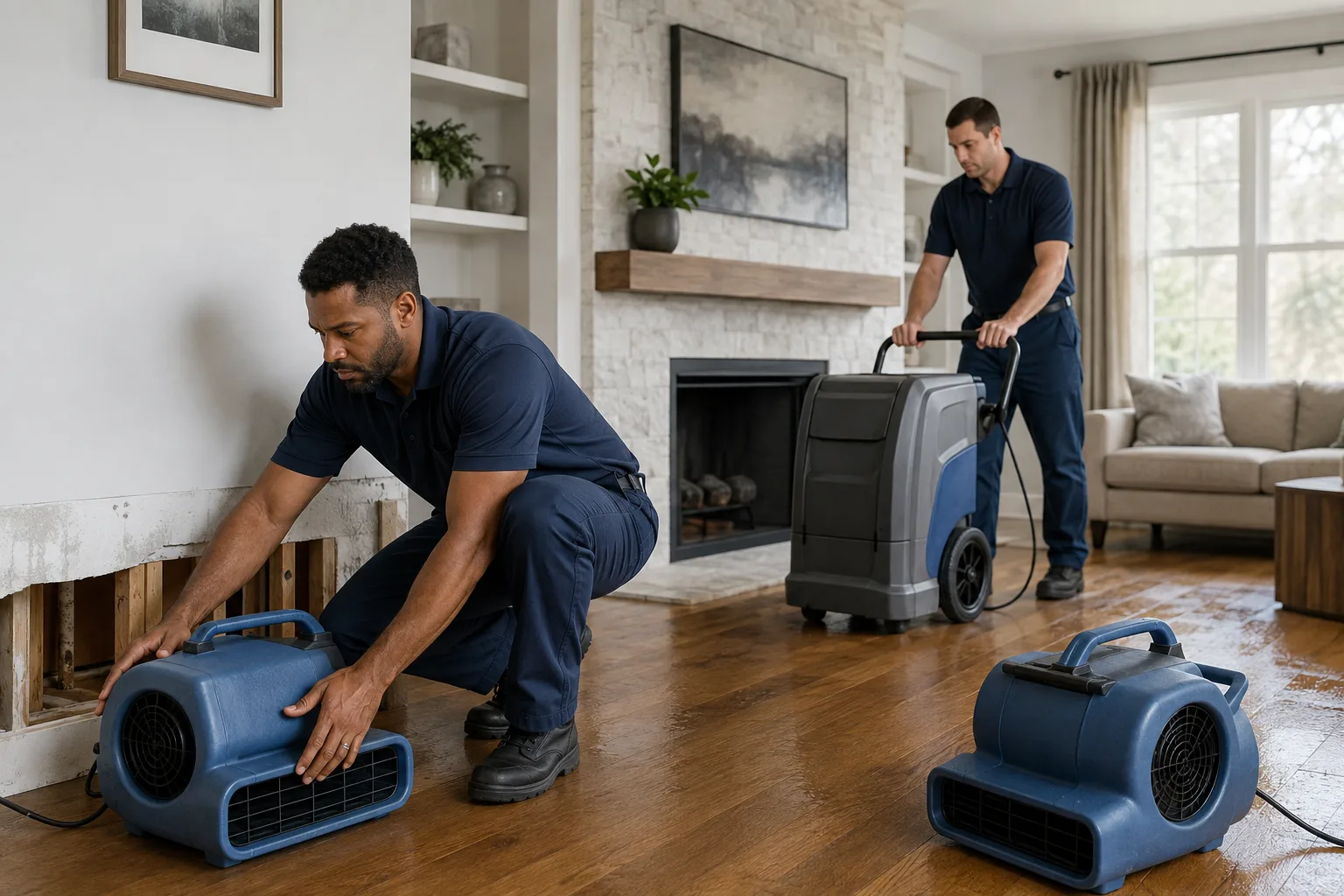
Drain or sewer backup in Louisville or Jefferson County? Tell us which rooms are affected and whether the backup is active. Call to confirm assessment and cleanup availability.
Service is confirmed for each address. Use the service link that best matches the problem at your property.
Tell us the property location, where the backup appeared and whether it is still active. Do not enter an unsafe area to gather photos or measurements.
Ask about availability for your address and the next assessment step. An online request does not guarantee dispatch. Follow emergency-authority instructions first.
Ask what the initial assessment involves, whether any charges apply, what work needs authorization, and how cleanup and later repairs will be scoped. The affected materials, contamination and access all influence the work required.
As Guardian’s regional anchor, Louisville needs one accountable recovery path that connects emergency control, documentation, contents, environmental conditions, roofing, exterior systems, and reconstruction without losing the complete property picture.
For Louisville properties, Guardian evaluates sewer backups, contaminated overflows, groundwater, porous materials, and affected contents while preserving the documentation and work sequence needed for the next phase.
Read Guardian’s guidance on the conditions, materials and documentation that shape this work.
These regional project records show the work behind the service. Each story protects customer identity and identifies its own project context.
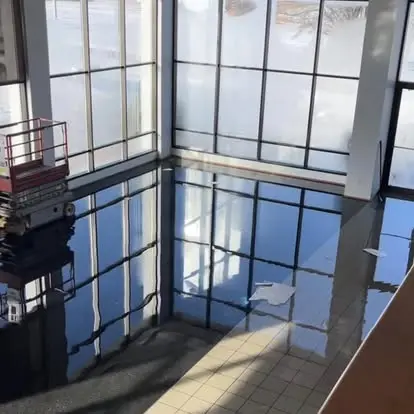
Standing water, overhead damage, containment, and drying capacity organized as one commercial stabilization operation.
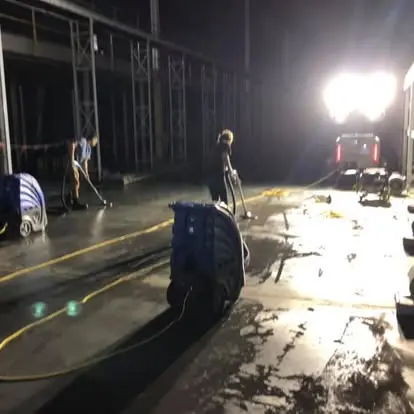
A high-capacity water response documented through extraction, equipment mobilization, controlled drying, and field monitoring.
Sewage and other grossly contaminated water can contain harmful microorganisms and requires appropriate protective controls and handling.
Porous materials affected by Category 3 water commonly require removal based on contamination, material characteristics, and project conditions.
Yes. Guardian can coordinate the project from emergency mitigation through reconstruction.
See our work, understand the process, and get answers to common questions.
Inspect real conditions, decisions, and completed recovery stories.
View documented projects →Walk through the response from first contact to completion.
Follow the recovery journey →Understand the standards behind every scope and handoff.
Read the Guardian Standard →If damage is active, call Guardian now. If you are still figuring things out, tell us what you see and we will help you understand your options.